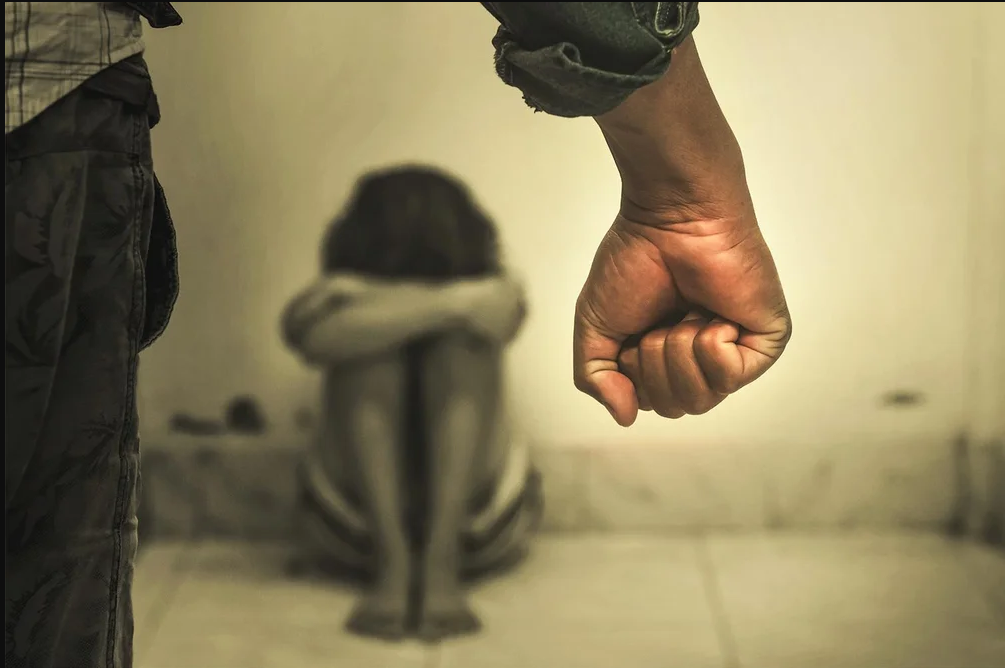
Domestic violence — the abuse of power and control within intimate relationships and family settings — is one of the most pervasive yet under-reported forms of violence against women in India. While Section 498A of the IPC addressed cruelty within marriage in the criminal context, Parliament recognised the need for a dedicated civil remedy law that would provide immediate, practical relief to survivors without requiring a criminal prosecution.
The result was the Protection of Women from Domestic Violence Act, 2005 (PWDVA) — a landmark legislation that shifted the approach from purely punitive to protective, providing women with a comprehensive set of civil remedies enforceable by a Magistrate.
This article explains who is protected under the Act, what constitutes domestic violence, what remedies are available, and how to access them.
Who Is Protected? — The Scope of the PWDVA
A common misconception is that the PWDVA applies only to wives. In fact, its scope is significantly broader. The Act protects any woman who is or has been in a “domestic relationship” with the respondent (the person against whom relief is sought).
A “domestic relationship” under Section 2(f) means a relationship between two persons who live or have at any point in time lived together in a shared household, when they are related by:
- Consanguinity (blood relation)
- Marriage or a relationship in the nature of marriage
- Adoption
- Family members living together as a joint family
This means the following women are protected under the PWDVA:
- Wife / ex-wife
- Live-in partner / woman in a relationship in the nature of marriage
- Sister, mother, widow, daughter living in the shared household
- Female relatives of the husband
The Supreme Court in D. Velusamy v. D. Patchaiammal (2010) 10 SCC 469 held that a “relationship in the nature of marriage” akin to a common-law marriage requires the couple to have lived together in a shared household, held themselves out to the world as being like spouses, and that both must be of marriageable age and legally capable of marriage.
Who can be a Respondent? While only a woman can be an aggrieved person, the respondent can be any adult male member of the household. Significantly, after the Supreme Court’s ruling in Hiral P. Harsora v. Kusum Narottamdas Harsora (2016) 10 SCC 165, female relatives (mother-in-law, sister-in-law) can also be respondents.
What Constitutes “Domestic Violence”?
Section 3 of the PWDVA defines domestic violence broadly to include four categories of abuse:
1. Physical Abuse
Any act or conduct that causes bodily pain, harm, or danger to life, limb or health, or impairs the health or development of the aggrieved person. This includes assault, criminal intimidation, and criminal force.
2. Sexual Abuse
Any conduct of a sexual nature that abuses, humiliates, degrades, or otherwise violates the dignity of a woman.
3. Verbal and Emotional Abuse
Insults, ridicule, humiliation, name-calling, and insults on grounds not having a child or a male child. This also covers repeated threats to cause physical pain to any person in whom the aggrieved person is interested.
4. Economic Abuse
This is one of the most important and frequently overlooked forms of domestic violence recognised by the Act. It includes:
- Deprivation of all or any economic or financial resources to which the aggrieved person is entitled under any law or custom (maintenance, Stridhan, property jointly owned).
- Disposal of household effects, any alienation of assets, and misappropriation of valuables.
- Prohibition or restriction to continued access to resources or facilities that the aggrieved person is entitled to use or enjoy.
The Four Remedies Under the PWDVA
The PWDVA provides four types of orders that a Magistrate can pass in favour of the aggrieved woman. These can be sought individually or simultaneously.
1. Protection Order — Section 18
A Protection Order prohibits the respondent from committing, aiding, or abetting any act of domestic violence. Specifically, the Magistrate may prohibit the respondent from:
- Committing any further act of domestic violence.
- Entering the place of employment, school, or any place regularly visited by the aggrieved person or her children.
- Attempting to communicate with the aggrieved person by any means (calls, messages, emails).
- Alienating, disposing of, or encumbering the assets, including jointly held assets.
- Causing violence to dependants, other relatives, or persons who provide assistance to the aggrieved person.
Breach of a protection order is a criminal offence under Section 31 PWDVA, punishable with imprisonment of up to one year and/or a fine of ₹20,000.
2. Residence Order — Section 19
This is one of the most significant remedies. A Residence Order gives the aggrieved woman the right to remain in the shared household even if she has no ownership or tenancy rights over it. The Magistrate may:
- Restrain the respondent from dispossessing or disturbing the possession of the aggrieved person from the shared household.
- Direct the respondent to remove himself from the shared household.
- Restrain the respondent from entering any portion of the shared household where the aggrieved person resides.
- Direct the respondent to secure the same level of alternate accommodation for the aggrieved person as she enjoyed in the shared household, or pay rent for the same.
The Supreme Court in S.R. Batra v. Taruna Batra (2007) 3 SCC 169 held that the “shared household” is only the household where the aggrieved person lives or has lived with her husband in a domestic relationship — not every property owned by the husband or his family.
3. Monetary Relief — Section 20
The Magistrate can direct the respondent to pay monetary relief to cover:
- The loss of earnings of the aggrieved person.
- Medical expenses incurred by her and her children.
- The loss caused due to destruction, damage, or removal of any property from her control.
- Maintenance for the aggrieved person and her children — this can be in addition to any maintenance under the Hindu Marriage Act, Section 125 CrPC/BNSS, or other matrimonial laws.
The monetary relief must be adequate, fair, and consistent with the standard of living the aggrieved person was accustomed to. The Supreme Court in Vijay Verma v. State (NCT of Delhi) and other decisions has held that the Magistrate has broad powers to fashion appropriate monetary relief.
4. Custody Order — Section 21
The Magistrate can grant temporary custody of children to the aggrieved person or any person making an application on her behalf. This is interim custody only — final custody is determined by the appropriate civil/family court. The Magistrate can also arrange for visitation rights for the respondent, with conditions to prevent further violence.
The Protection Officer — A Crucial Functionary
The PWDVA introduces the institution of the Protection Officer — a government official designated to assist the aggrieved person in accessing the Act’s remedies. The Protection Officer’s duties include:
- Preparing a Domestic Incident Report (DIR) upon receiving a complaint from the aggrieved person.
- Assisting the aggrieved person in filing an application for relief before the Magistrate.
- Providing information about service providers (shelter homes, medical facilities, counselling services).
- Making available legal aid through the Legal Services Authority.
The Protection Officer is appointed by the state government. Failure by a Protection Officer to discharge his/her duties is punishable under Section 33 PWDVA.
How to File a Complaint — The Step-by-Step Process
- File a Domestic Incident Report (DIR) with the Protection Officer of your area, or file an application directly before the Magistrate (Judicial Magistrate First Class or Metropolitan Magistrate).
- The Magistrate issues notice to the respondent, returnable within three days of the date of filing.
- Interim Orders: If there is imminent danger, the Magistrate can pass interim protection orders or residence orders ex parte (without hearing the respondent first) on the very first hearing.
- Hearing and final order: The Magistrate endeavours to dispose of the application within 60 days of the first hearing.
- Service Providers: Registered NGOs and service providers can also file applications on behalf of the aggrieved woman with her consent.
The PWDVA proceedings are civil in nature (before a Magistrate) and can run simultaneously with criminal proceedings under Section 498A IPC/85 BNS or divorce proceedings — there is no bar to availing all remedies together.
Key Supreme Court Judgments
- Indra Sarma v. V.K.V. Sarma (2013) 15 SCC 755 — Laid down guidelines on what constitutes a “relationship in the nature of marriage” for the purposes of PWDVA protection, extending coverage to deserving live-in relationships.
- Saraswathy v. Babu (2014) 3 SCC 310 — Held that the aggrieved woman has the right to reside in the shared household and cannot be dispossessed without following the legal process under the PWDVA.
- Kunapareddy v. Kunapareddy Swarna Kumari (2016) 11 SCC 774 — Clarified that maintenance under the PWDVA is in addition to, and not in replacement of, maintenance under other personal laws or Section 125 CrPC.
- Rupali Devi v. State of Uttar Pradesh (2019) 5 SCC 384 — A woman can file an application under the PWDVA at the place where she is currently residing after leaving the shared household, not just where the shared household is located. This was a landmark ruling on jurisdiction.
The PWDVA and Section 498A IPC — Together, Not Separately
The PWDVA and Section 498A IPC are complementary, not mutually exclusive. In cases of matrimonial cruelty and dowry harassment, it is advisable to:
- File an FIR under Section 498A IPC/85 BNS for criminal prosecution of the offenders.
- Simultaneously file an application under the PWDVA for immediate civil protection — protection orders, residence rights, and monetary relief — which can be granted as interim orders within days.
- File for maintenance under Section 125 CrPC/BNSS or personal law if needed.
The civil remedies under the PWDVA are faster, more practical, and do not require the high evidentiary threshold of criminal proceedings. They provide immediate protection and financial relief while criminal proceedings take their course.
Conclusion
The Protection of Women from Domestic Violence Act, 2005 is one of the most progressive and comprehensive pieces of legislation protecting women in India. By recognising economic abuse, emotional abuse, and the right to residence in the shared household, the Act goes far beyond the traditional criminal law understanding of violence.
Awareness of these rights is the first step. Far too many women endure domestic violence in silence because they do not know the law is on their side — and that swift, practical protection is available to them within days of filing an application.
If you or someone you know is experiencing domestic violence, please reach out immediately to a Protection Officer, a legal aid authority, or a qualified advocate.
National Helplines: Women Helpline — 181 | One Stop Centre (Sakhi) — 181 | National Commission for Women — 7827170170 | Police Emergency — 112 | Legal Services Authority (Free Legal Aid) — 15100
This article is for general informational purposes only and does not constitute legal advice. For advice specific to your situation, please consult a qualified advocate.